Imbalance in
Sepsis

The immune system …

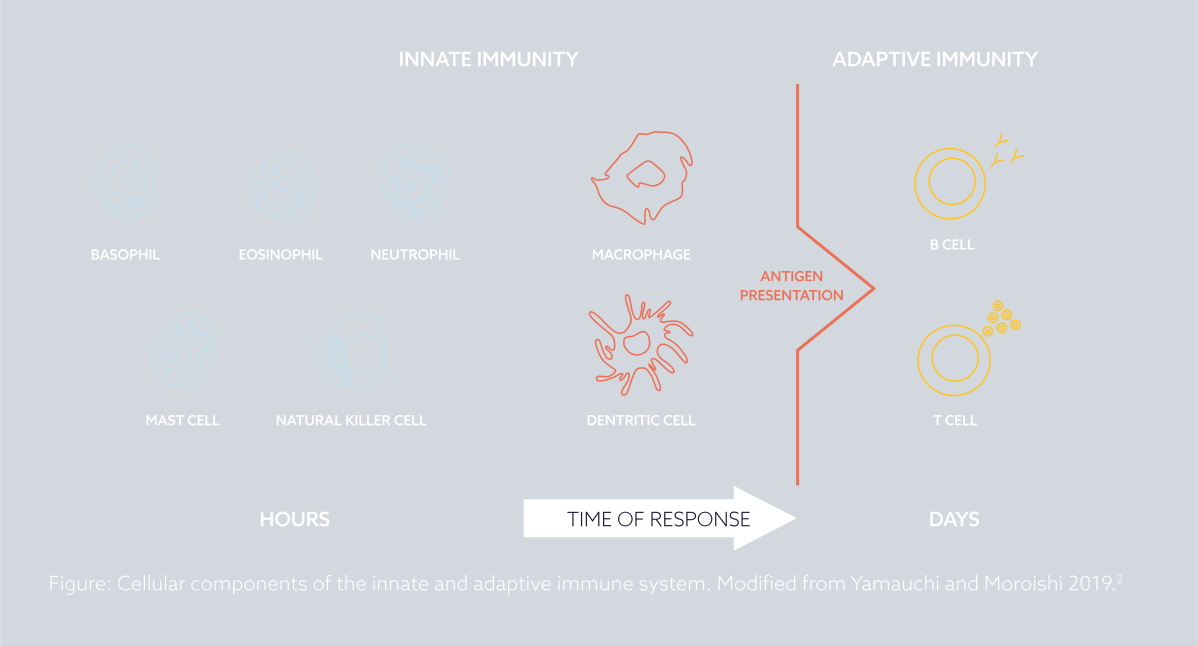
… is a sophisticated and complex defense system of interacting organs, tissues, cells and functional molecules – mainly proteins – that has developed over millions of years. It consists of the components of the non-specific, innate and the specific, adaptive immune system. The innate immune system builds the first line of defense against all kinds of pathogens, whereas the adaptive immune system is able to remember, recognize and specifically target certain types of pathogens.1
IMMUNE DEFENCE …

… is characterized by precise regulation of pro- and anti-inflammatory processes. This allows the immune response to be both adequate and effective. Once an organism encounters a pathogen, pro-inflammatory responses of the innate and adaptive immune system mediate its destruction and removal. At the same time the release of anti-inflammatory cytokines ensure that excessive inflammation does not occur.1

Sepsis …

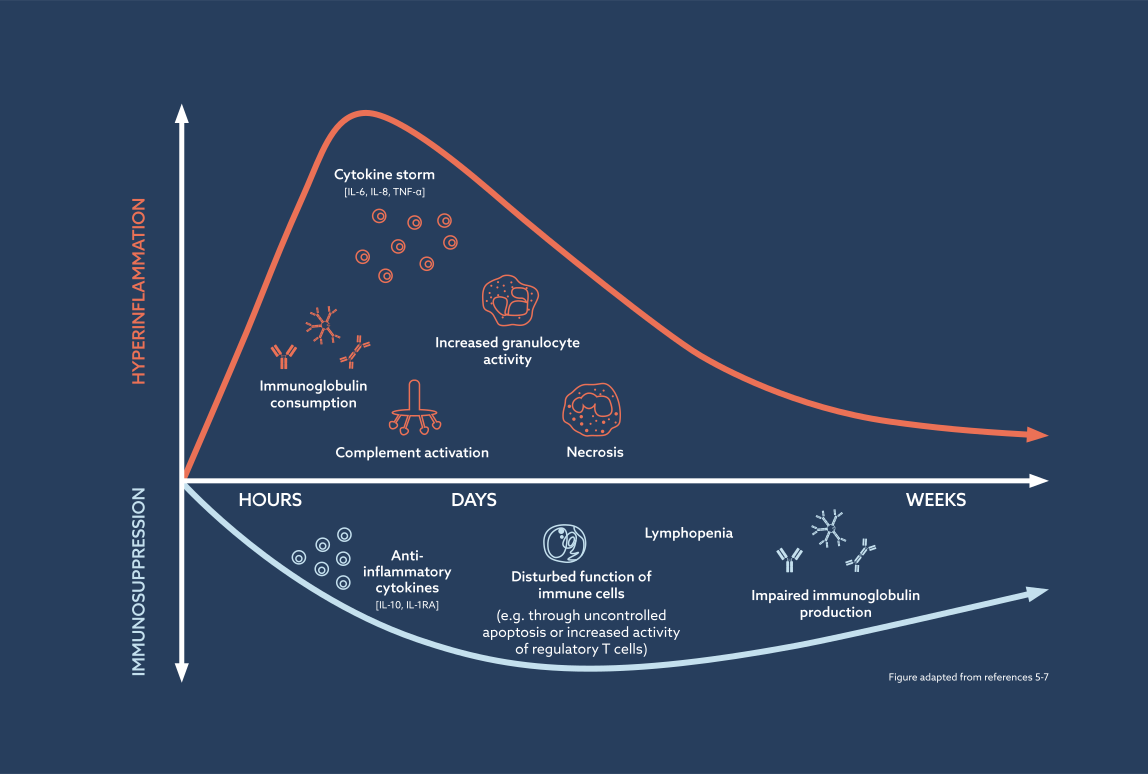
… is a life threatening organ dysfunction caused by a dysregulated host response to an infection3 which is characterized by an imbalance between hyperinflammation and immunosuppression leading to a loss of immunological control.4–6

The development and severity of sepsis …

… can depend on several factors. Firstly, the type and nature of the pathogen: gram positive or gram negative bacteria, multidrug-resistant bacteria, the bacterial load or virulence can each contribute to sepsis progression. Secondly, patient specific aspects such as: age, any comorbidities, concomitant medication or genetics will also have an impact on the occurrence of sepsis causing infections and influence the severity of disease.3–5

balance the imbalance …

… is an important goal in sepsis therapy. Modulation and stabilization of the dysregulated immune system can enable restoration of the immunological control and support sepsis patients to achieve a stable condition.4,6

References:

1 Janeway CA Jr, et al. Immunobiology, 5th edition – The Immune System in Health and Disease. New York: Garland Science; 2001.
2 Takayoshi Yamauchi, Toshiro Moroishi. Hippo Pathway in Mammalian Adaptive Immune System. Cells. 2019;8(5):398.
3 Singer M, et al. The Third International Consensus Definitions for Sepsis and Septic Shock (Sepsis-3). JAMA. 2016;315(8):801–810.
4 Cao M, et al. Immune dysregulation in sepsis: experiences, lessons and perspectives. Cell Death Discov. 2023;9(1):465.


5 van der Poll T, et al. The immunology of sepsis. Immunity. 2021;54(11):2450 – 2464.
6 Jarczak D, et al. Use of Intravenous Immunoglobulins in Sepsis Therapy – A Clinical View. Int J Mol Sci. 2020;21(15):5543.
7 Bermejo-Martín JF, Giamarellos- Bourboulis EJ. Endogenous immunoglobulins and sepsis: New perspectives for guiding replacement therapies. Int J Antimicrob Agents. 2015:46Suppl1:S25 – 28.